
Fireplace and Christmas decor safety, what to check before the first fire
Check the damper, hearth, CO alarm, mantel and tree placement yourself, then leave the chimney inspection to a pro before you light the first fire.
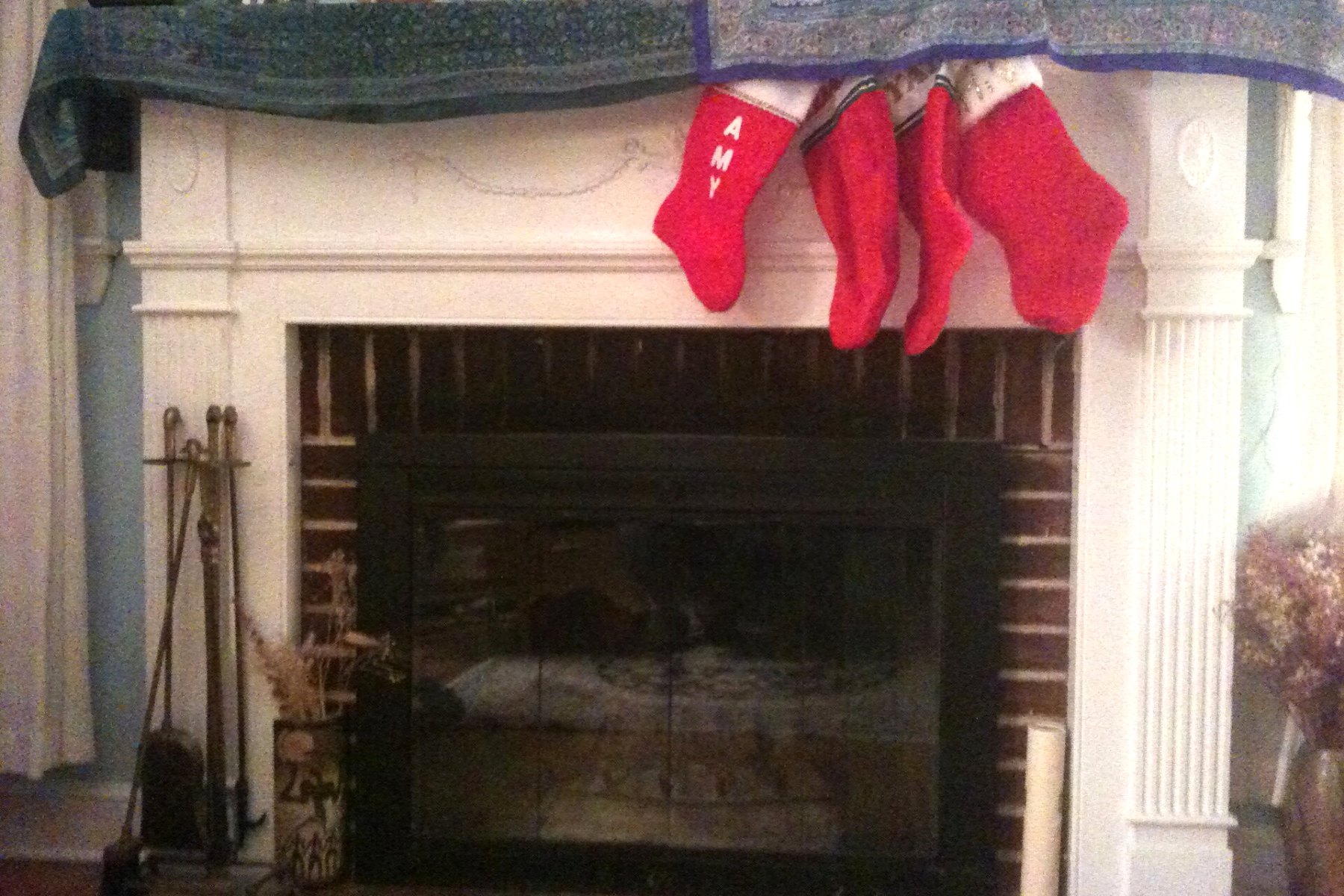
The first fire of the season and the first strand of garland tend to arrive in the same week. Both involve open flame, dry greenery and a chimney that sat unused all summer. You can check a good deal yourself, and this guide covers those checks. The part you cannot see from the living room, the inside of the flue, is where federal agencies point to a professional.
The short answer to your question: you can decorate safely by keeping flammable things well away from the fire, and you can do a visual walk-through before lighting. But CPSC, the federal consumer product safety agency, urges a professional to inspect fireplaces, chimneys, flues and vents every year. If you have not had that inspection, book it before you burn.
What's going on
A fireplace is a fuel-burning appliance, and the chimney is the path its exhaust takes out of the house. CPSC's 2004 release made a plain point: appliances that are installed properly and running well create little carbon monoxide (CO) risk, but any of them can release dangerous CO when conditions go wrong.
A chimney can change while it sits unused. The same release said birds, animals and insects can nest in vents through spring and summer, and that blockage can send exhaust indoors. Burning wood also leaves creosote inside the flue, and EPA attributes nearly 7 percent of home fires to creosote buildup in the chimney. Cracks matter too. According to EPA, they can let smoke into the living space or put chimney parts in contact with heat that could start a fire.
Decorations add a second problem. CPSC's December 13, 2011 release said a dried-out live tree or evergreen decoration can burn in seconds, and burn hot, once it meets an open flame. A mantel hung with garland and a tree beside the hearth put fuel close to the fire.
What you can safely check or fix
These are looking-and-moving checks that need no license, no tools beyond a flashlight and no climbing on the roof. Work through them in order.
- Make sure the fireplace is cold and no fire or embers remain.
- Test your CO alarm.
- Confirm a CO alarm hangs in the hallway near the bedrooms of each sleeping area, as CPSC recommended in 2004.
- Replace the CO alarm batteries once a year, per the same 2004 release.
- Test each smoke alarm, which CPSC's 2017 release advised doing monthly.
- Confirm there is a working smoke alarm on every floor and in every bedroom.
- Change smoke alarm batteries every year.
- Look at the outside of the chimney and the flue connection for dark staining. CPSC said in 1997 that creosote buildup or leakage can cause black stains there.
- If you see black stains, do not light a fire.
- Open the damper.
- Check that the flue is open.
- Shine a flashlight up from the firebox.
- Look for nesting material or debris.
- Leave anything you find where it is, and do not reach into the flue to clear it.
- Look over the hearth and the area around the opening, and compare it with your appliance's instructions. EPA lists clearances to combustible materials and floor protection as points to check.
- Move rugs and furniture away from the opening.
- Move baskets and other flammable items away too.
- Check that the floor in front of the fireplace is protected the way your appliance's instructions describe.
- Set any candles on a stable, heat-resistant surface, as CPSC advised in 2017.
- Keep candles out of reach of children and pets.
- Keep candles away from trees, decorations and curtains.
- Keep live evergreen garland away from any open flame.
- Place the tree away from the fireplace and other heat sources such as vents and radiators.
- Fill the tree stand with water.
- Check the water daily, because heated rooms dry live trees quickly.
- Keep doorways clear of the tree.
- Use dry seasoned wood, which EPA says should be seasoned outdoors at least 6 months.
- Start the fire with clean newspaper and dry kindling, per EPA.
- Keep wrapping paper out of the fireplace, since CPSC warned it can ignite suddenly and cause a flash fire.
- Keep garbage, plastic and pressure-treated wood out of the fire, since EPA says they can produce harmful chemicals.
- Store fire salts, if you use them, out of children's reach. CPSC's 2017 release said they contain heavy metals.
- Pay attention to any smoke smell while the fire burns.
- If you smell smoke, shut down the appliance.
- Open a window.
- Make sure the flue is open.
- Call a professional or chimney sweep, as EPA advises.
Where to stop and call a pro
The inside of the chimney is the limit of what a homeowner can judge by eye. CPSC urges a yearly professional inspection of fuel-burning heating systems, a group that covers fireplaces, wood stoves, chimneys, flues and vents. EPA says fire officials recommend that yearly inspection of the wood-burning appliance, chimney and vent, with a check for cracks, and EPA advises annual cleaning by a certified chimney sweep.
Stop here: Inspecting the flue and liner, cleaning creosote, and repairing cracks or any part of the chimney or fireplace installation are jobs for a certified chimney sweep or other qualified pro, not a homeowner.
This matters because EPA says installation errors by a non-professional may not be visible and may only show up as a home fire. Do not light the fireplace, and call a pro first, if you find dark stains outside the chimney, nesting material or debris in the flue, a smell of smoke, or if you have not had an inspection this year.
What to tell the pro
A clear description saves guessing. Have these ready when you call:
- Which appliance it is (open fireplace, wood stove or insert), and what fuel you burn.
- When the chimney was last inspected or cleaned, if you know.
- What you saw in your walk-through: dark stains outside, debris or nest material seen with a flashlight, a damper that sticks, or cracks in the masonry.
- Any smoke smell or smoke entering the room the last time you used it.
- Whether your CO alarm has gone off.
- What sits near the opening: the mantel material, the floor in front of the hearth, and where the tree and garland will go.
Ask for a certified chimney sweep, the kind of professional EPA names for annual cleaning.
Checklist before the first fire and the first stocking
- Fireplace cold, CO alarm near bedrooms and smoke alarms on every floor tested.
- No dark staining on the outside of the chimney or its flue connection.
- Damper open, flue clear of visible debris, nothing reached into.
- Professional inspection done this year, or booked before the first fire.
- Hearth area clear of rugs, furniture and flammable items, and the floor protected.
- Live evergreen garland away from open flame; candles on a heat-resistant surface.
- Tree away from the fireplace, stand filled, water checked daily, doorways clear.
- Only dry seasoned wood; no wrapping paper, garbage or plastic in the fire.
- Fire salts, if used, stored out of children's reach.
Decorating is not risk free. CPSC's 2017 release estimated 14,700 emergency-room-treated holiday decorating injuries in the prior holiday season, about 240 per day across November and December.
Quick answers
Can I light my fireplace if I only decorated and checked the damper?
Checking the damper and clearances is worthwhile, but CPSC urges a yearly professional inspection of fireplaces, chimneys, flues and vents. EPA says that inspection includes a check for chimney cracks.
How far should the Christmas tree be from the fireplace?
CPSC advises keeping it away from fireplaces and other heat sources, without giving a distance in the releases cited here. Keep the stand filled and check the water daily, because heated rooms dry live trees quickly.
Can I burn wrapping paper in the fireplace?
No. CPSC warned that wrapping paper can ignite suddenly and cause a flash fire, and EPA advises never burning garbage or plastic.
Sources
- Ten Tips to Keep Your Holiday Home Fire and Injury Free:Fires Lead the List of Hazards Related to Holiday Decorating | CPSC.gov
- Put Safety at the Top of Your List When Decorating this Holiday Season! | CPSC.gov
- Holiday Safety Alert: Consumer Injuries Involving Decorations and Decorating Are on the Rise | CPSC.gov
- CPSC Urges Annual Fuel-Burning Appliance Inspection to Prevent Deaths, Fires | CPSC.gov
- Install a carbon monoxide alarm in your home: CPSC Urges Annual Furnace Inspection to Prevent CO Deaths | CPSC.gov
- Home Heating Equipment | CPSC.gov
- Wood-Burning Installation and Maintenance | US EPA
- Learn Before You Burn Wood - What You Can Do | US EPA