
Water heater noises decoded: what you can flush and what to shut down
Popping and rumbling usually mean sediment you can flush out, but hissing, sizzling and screeching mean shut it down and call a licensed plumber.
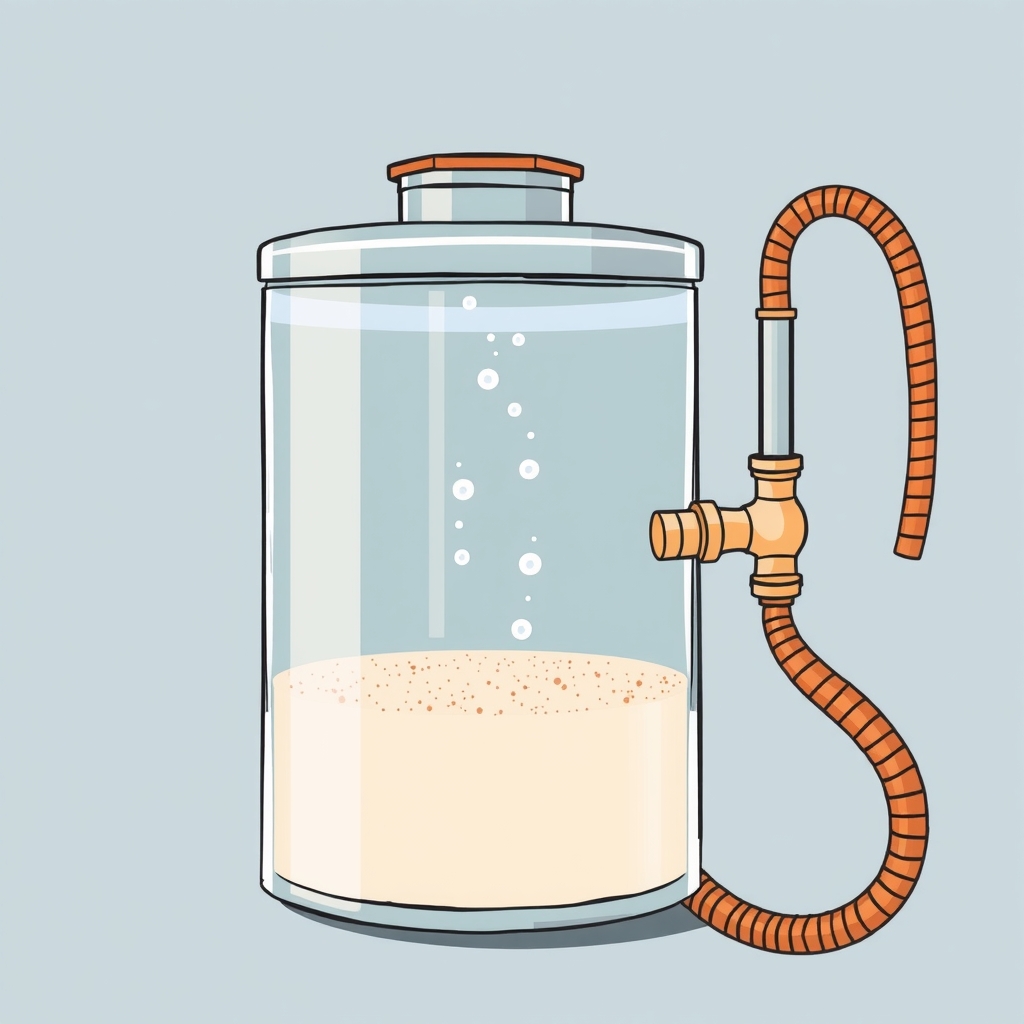
A new sound from the water heater closet is unsettling, mostly because you can't see what's making it. The useful news is that the sound itself is a decent clue. Some noises are ordinary, some are sediment talking, and a smaller group means the unit should be switched off until someone qualified has looked at it.
This edition is a decoder for a tank water heater. It sorts the common sounds into three piles: ignore, check, and stop. It also walks through the one job a careful homeowner can do without a license: draining sediment from the bottom of the tank. Everything here comes from manufacturers' own help pages and from federal guidance, and it ends with a list of what to tell a pro. It covers tank units only. A tankless unit is handled differently, and your manual is the place to start for that.
What's going on
Most tank noises start at the bottom of the tank. Minerals settle out of the water and build up as sediment, and the burner or element heats the water trapped under that layer. One manufacturer's noise guide says popping can come from sediment trapping steam bubbles at the bottom. Another manufacturer calls sediment the most common cause of popping or rumbling in tank units. The first manufacturer also says that sediment noise during heating cycles is not dangerous, but it cuts efficiency and speeds wear on the tank, per its maintenance checklist.
Not every sound is a problem. One manufacturer says many noises are normal, including ticking, humming, gurgling and soft ignition sounds. Others are not, so here is the sound-by-sound table.
| Sound | Likely cause | Check or call |
|---|---|---|
| Popping, rumbling, bubbling, surging | Sediment or lime on the tank bottom, according to three manufacturers' pages | Check: a flush is the usual cure (steps below) |
| Crackling | Sediment, or aluminum hydroxide beads from the anode rod reacting with excess chlorine | Check: try a flush; if beads show up, mention it to a pro |
| Banging or knocking | Often water hammer in the plumbing, or water slamming into internal shutoff valves | Check: usually the pipes, not the heater; a water hammer arrestor can help |
| Ticking, gurgling, soft ignition sounds | Normal operation | Check: no action needed |
| Humming | Often loose components, or normal | Check: basic tightening only; anything more goes to a pro |
| Singing or light hissing on an electric heater | Scale on the element blades | Call: shut off power and have it inspected, since hissing has other causes too |
| Hissing or sizzling near a gas heater | Water possibly dripping onto the burner | Call: shut it off and get an immediate inspection |
| Dripping with hissing or sizzling | Possible leak onto hot parts | Call: shut off power or gas and schedule an inspection |
| Screeching | A blower motor with failed bearings | Call: it needs a new motor and professional help |
Two cautions on the table. The hissing rows overlap, and the manufacturers treat hissing as a stop sign, so don't try to decide for yourself which kind you have. And a noise that returns after you have dealt with it is its own signal, covered below.
What you can safely check or fix
Start with the cheap checks. Is the noise only during heating, or at the moment a faucet or appliance shuts off? Heating-cycle popping or rumbling points to sediment. A bang right when water stops points to water hammer in the plumbing, which one manufacturer says is often the pipes rather than the heater. Also look at the label for the age of the unit. One manufacturer puts average life at about 8 to 12 years, and another lists a unit in that age range or older as a reason to call a pro rather than flush it yourself.
If the noise sounds like sediment, the one safe do-it-yourself fix is a flush. A manufacturer's flushing guide lists rumbling or popping, rusty or cloudy hot water, and running out of hot water faster as signs one may be due. The steps below follow manufacturers' instructions and EPA WaterSense advice. They are not a substitute for your own manual, which has the exact valve locations, any step about opening a hot tap or checking the relief valve, and the restart procedure. The sources used here do not spell those out, so read that part of the manual before you start.
- If you have an electric heater, turn off the electricity to it, following the manual.
- If you have a gas heater, turn off the gas to it, following the manual.
- Turn off the cold water supply to the tank.
- Wait for the water in the tank to cool. The water can scald, so do not rush this step.
- Read your manual for any instruction about opening a hot water tap or the relief valve before you drain, and follow it.
- Connect a hose to the drain valve at the bottom of the tank.
- Run the other end of the hose to a spot that can handle hot water, as EPA WaterSense advises.
- Open the drain valve and let the tank drain.
- Watch what comes out. Gritty or cloudy water confirms sediment.
- Close the drain valve and remove the hose.
- Refill the tank and restore power to an electric heater exactly as your manual describes.
Do not skip the cooling wait, and don't improvise on the restart. Restarting a gas unit and relighting a pilot are jobs to leave to a licensed pro, not part of this DIY flush. If you shut off the gas, ask the pro to bring the unit back up.
Where to stop and call a pro
Some flush attempts should end before they start, and some noises should never be flushed at all.
Stop here: If a gas water heater is hissing, sizzling or leaking, shut off the gas and call a licensed plumber, and leave any gas restart or pilot relight to that pro.
For hissing, sizzling or dripping, one manufacturer's advice is to cut the power or gas and book an inspection right away. Another adds that hissing near a gas unit may be water landing on the burner, which calls for a professional to look at it promptly. For a bigger leak, it names tank corrosion, a failed relief valve or worn fittings as possible causes, and says prompt professional service is needed. Blower motor replacement is likewise a pro job.
A flush has its own stopping points. One manufacturer advises bringing in a pro when the drain valve refuses to open or drips, when the rust is heavy, or when the heater is already 8 to 12 years old or beyond. It also cautions that a long-neglected or aging tank with hardened sediment can start leaking or get damaged if you flush it yourself. Another notes that the drain valve can itself get clogged by sediment, which is why technicians arrive with tools to clear it or swap it out. Don't force it.
Finally, treat a noise that continues after flushing as a reason to call. One manufacturer lists that among its warning signs, and another says noise that persists after a repair may mean a failing element or a cracked tank. A third notes that a flush may not remove all the lime, so the noise can come back.
What to tell the pro
A short, specific description saves a trip and helps the pro arrive with the right parts. Have these ready:
- The sound and when it happens. Popping during heating, a bang when a tap shuts, or a hiss near the burner point to very different problems.
- Gas or electric. The causes differ, for example scale on element blades in electric units versus water dripping onto a burner in gas units.
- The age of the unit. Read it from the label. Manufacturers treat an older tank differently.
- Whether you flushed it, and what came out. Mention grit, rust, cloudy water or small white beads, since beads can point to the anode rod.
- Whether the noise returned after flushing.
- Any leaks, rust or a stuck drain valve.
- Whether you shut off the gas or power, so the pro knows the state the unit was left in.
For finding a licensed plumber in your state, use the Find a Pro search on this site, which links each listing to the state's own license lookup.
Keeping the noise from coming back
Sediment is a maintenance matter, so the fix is repetition. One manufacturer advises flushing at least yearly, more often with hard water, older pipes or heavy buildup. Another recommends once a year for most households and every 6 months with hard water. A third recommends annual service, and twice a year in hard water areas. One also notes that anode rods usually last about 5 years, which is worth asking a pro about when the tank is old.
If your heater is tankless, skip the drain-and-flush routine. One manufacturer says tankless heaters need descaling rather than traditional flushing, so check your manual for how that is done.
Quick answers
Is a popping water heater dangerous?
Usually not. One manufacturer says popping, rumbling or crackling during heating cycles may be sediment, which is not dangerous but cuts efficiency and speeds tank wear.
Which water heater noises mean I should shut it off?
Hissing, sizzling, dripping or persistent screeching. One manufacturer advises turning off the power or gas and scheduling an immediate professional inspection.
How often should I flush a tank water heater?
One manufacturer recommends once a year for most households and every 6 months with hard water. Another advises at least yearly, and more often with hard water or heavy buildup.
Sources
- Hot Water Heating Making Noises | A.O. Smith
- Water Heater Maintenance Checklist | A. O. Smith
- The Ultimate Guide to Water Heater Noises: What’s Normal (and What Isn’t) - Rheem Manufacturing Company
- How Often To Flush Your Water Heater (And How To Do It) - Rheem Manufacturing Company
- Internal Noises - Bradford White For The Pro®
- When to Repair or Replace Your Water Heater | A.O. Smith
- Home Maintenance | US EPA