
Furnace making a new noise: what to check before you call a pro
A noise decoder for gas and oil furnaces: which sounds call for a quick filter check, and which mean shut it off and call a licensed HVAC pro.
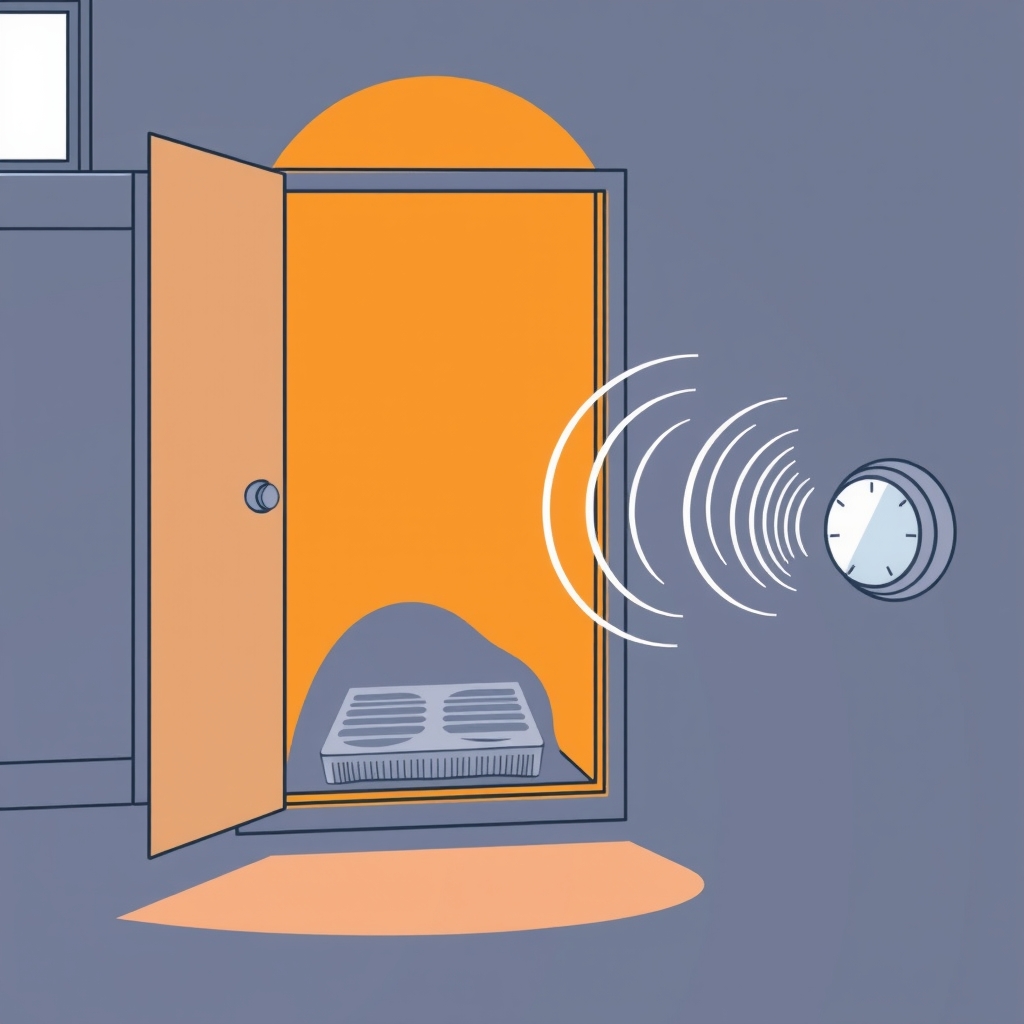
A furnace that starts making a sound it never made before is easy to ignore and hard to judge. Most people want a simple answer: is this normal, or is something about to fail? A sound alone cannot tell you whether a burner, a vent or a motor is the cause, and this guide does not pretend otherwise. It sorts noises by what you should do next, not by a guess at the part.
The short rule: a new noise gets you to switch the furnace off at its power switch, check the filter and then decide. Anything that comes with a CO alarm, headache, dizziness or a burner or vent that looks wrong means you stop and get help. Gas lines, burners, heat exchangers and venting are work for a licensed pro, not a weekend project.
What's going on
A furnace has a few moving and burning parts that can each make noise: a blower motor, a burner that lights fuel, a heat exchanger, ducts and a vent that carries exhaust out. ENERGY STAR's maintenance checklist shows where trouble tends to sit: gas or oil connections and pressure, burner combustion, the heat exchanger, electrical connections, motor voltage and current, and lubrication of moving parts. It says a dirty burner or a cracked heat exchanger makes operation less safe, that faulty connections can cause unsafe operation, and that missing lubrication causes friction in motors.
Because one sound can have several causes, the table below sorts by action only. It is a sorting tool, not a diagnosis.
| Sound | What to do |
|---|---|
| Soft hum or gentle airflow that has always been there | Nothing new to do. Keep up the monthly filter check |
| Hum that is new, louder or won't stop | Switch the furnace off at its power switch, check the filter, call a pro if it persists |
| Squealing or screeching | Switch the furnace off at its power switch, check the filter, call a pro |
| Rattling | Switch the furnace off at its power switch, look for a loose panel, call a pro if it continues |
| Clicking that repeats without the burner starting | Switch the furnace off at its power switch and call a pro |
| Banging or booming at ignition | Switch the furnace off at its power switch and call a pro |
| Any noise plus a CO alarm or symptoms | Leave the home and call emergency services |
If a sound is new, loud or paired with a smell, soot or an uneven flame, treat it as a stop-and-call row.
What you can safely check or fix
The homeowner's side of this job is short, on purpose. CPSC warns against servicing fuel-burning appliances without proper knowledge, skill and tools, so the safe checks are the ones that do not open up the burner, the gas supply or the venting.
Start with the filter. ENERGY STAR says a dirty filter slows airflow and makes the system work harder, possibly leading to early failure. It advises checking the filter monthly, changing it if it is dirty, and at minimum every 3 months. ENERGY STAR also lists inspecting, cleaning or changing filters among the things homeowners can do monthly.
The steps:
- Switch the furnace off at its own power switch, found on or near the unit, following your furnace manual. This is the manufacturer's instruction to follow before touching the filter or panels, and the thermostat alone does not cut power.
- Set the thermostat to off.
- Find the air filter.
- Slide the filter out.
- Hold the filter up to the light.
- If it is clogged with dust, get a replacement in the size printed on its frame or listed in your furnace manual.
- Slide the new filter in, with the airflow arrow pointing the way your manual shows.
- Check that every access panel on the furnace is in place and closed.
- Look at the vent pipe and flue from the floor, without touching them.
- If anything looks disconnected, rusted through or blocked, leave the furnace off and call a pro.
- Press the test button on each CO alarm.
- Switch the furnace power back on.
- Set the thermostat to heat.
- Stay nearby through one heating cycle.
- If the noise comes back, switch the furnace off at its power switch and call a pro.
Do not take panels off to look inside. A CO alarm is added protection, not a substitute for proper upkeep, and CPSC says to test CO alarms monthly and replace batteries at least yearly. Alarms belong on every level and outside sleeping areas, but not near heating vents and not above fuel-burning appliances.
Where to stop and call a pro
Stop the checking when the problem moves from airflow to fuel, flame, exhaust or wiring. CPSC lists the ways a furnace can cause CO poisoning: improper installation, poor maintenance, misuse, and defective or blocked venting. Its CO guidance adds that a malfunctioning appliance identified as a CO source must not be operated until trained personnel have serviced it.
Stop here: If the noise is a bang at ignition, repeats without the burner lighting, comes with soot, a fuel smell or a vent that looks wrong, or the filter swap changed nothing, switch the furnace off at its power switch and call a licensed HVAC pro. Do not open the burner area, touch gas or oil connections, or try to fix the venting yourself.
CPSC describes CO as a colorless, odorless, poisonous gas made by incomplete burning of fuels including oil and natural gas, so you cannot rely on your nose. Early symptoms resemble flu without a fever: headache, fatigue, shortness of breath, nausea and dizziness. If you have them, go outside to fresh air right away, leave the home and call the fire department. If a CO alarm sounds, do not hunt for the source. Move outside and call 911. If the alarm reactivates within 24 hours of your return, repeat those steps and call a qualified appliance technician. CPSC also notes that sustained CO above 150 to 200 ppm can cause disorientation, unconsciousness and death.
ENERGY STAR also suggests a professional evaluation of HVAC equipment older than 10 years or equipment that isn't keeping the house comfortable.
What to tell the pro
A clear description saves the technician time and makes for a more useful visit. Have these ready:
- The sound in your own words (bang, squeal, rattle, click or hum), and whether it happens at start-up, while running or at shutdown.
- When it began and whether it has changed.
- The fuel: natural gas or oil.
- That you switched it off at the power switch, and whether you have run it since.
- When you last changed the filter and what it looked like.
- Whether any CO alarm has sounded, and whether anyone had headache, dizziness or nausea.
- Anything you saw at the vent or flue, such as a loose joint, rust or blockage.
- The furnace's age, if you know it, and when it was last professionally inspected.
To find a licensed pro in your state, use Find a Pro on this site. Hiring advice lives at home-services-reviews.com.
Keep the next noise from being a surprise
Once a year, CPSC urges a professional inspection of fuel-burning heating systems, including furnaces, chimneys, flues and vents. ENERGY STAR recommends the same yearly rhythm, with heating checked in the fall. A typical visit lubricates moving parts, tightens electrical connections, measures motor voltage and current, checks fuel connections and pressure, looks at burner combustion and the heat exchanger, and confirms the system starts, runs and shuts off properly.
Between visits, the homeowner's job is small: check the filter monthly and test the CO alarms monthly. Those habits do not replace the inspection, but they catch the easy problems and warn you about the hard ones.
Quick answers
Is a new furnace noise normal?
Not necessarily. Switch the furnace off at its power switch and check the filter, and if the sound is a bang, repeated clicking or comes with a vent problem, call a licensed pro.
What can I safely check myself?
After switching the furnace off at its power switch, you can check and replace a dirty filter and test your CO alarms. Leave the burner, gas or oil connections and venting to a professional.
What if my CO alarm goes off?
Don't look for the source. Move outside and call 911, and don't run the furnace until trained personnel have serviced it.