
Running toilet: the dye test, the flapper fix, and when to call a plumber
A DIY guide to diagnosing a running or leaking toilet with the EPA's dye test, fixing it with a new flapper, and knowing when to call a licensed plumber.
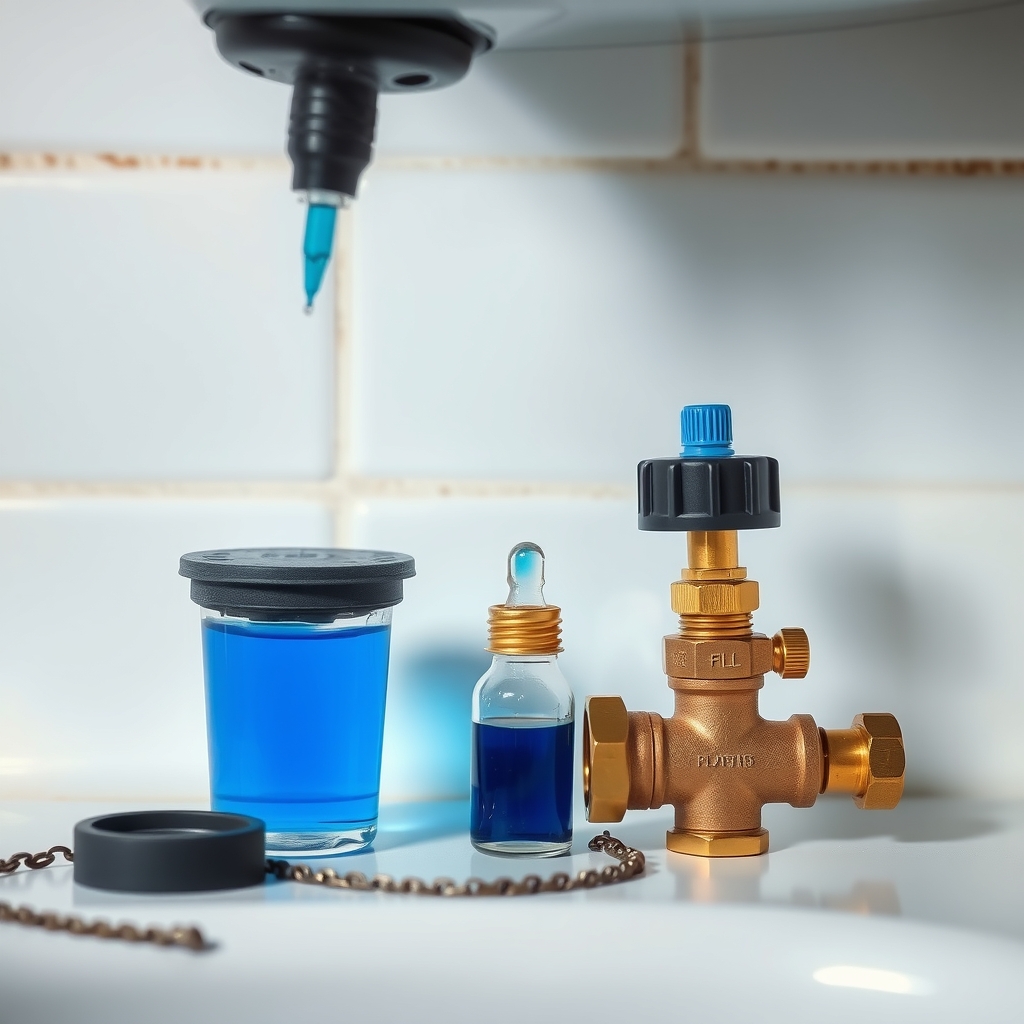
A toilet that won't stop running is the plumbing complaint most homeowners search for first, and it's one of the easiest to test without calling anyone right away. Nationwide, the EPA puts the water lost to household leaks at close to 1 trillion gallons a year, with the average home's leaks responsible for more than 9,300 gallons of that total annually. About 9 percent of homes have leaks big enough to waste 50 gallons or more a day, and worn toilet flappers, dripping faucets and leaking valves are the most common sources. The agency runs an annual Fix a Leak Week, set for March 16 through 22 in 2026, to get homeowners checking for exactly this kind of leak before it runs up a water bill. Most running or leaking toilets start with the shutoff valve, a bottle of food coloring and a flapper, not a phone call to a plumber.
What's going on
A toilet usually runs or leaks for one of two reasons inside the tank. One is the flapper: the rubber seal at the bottom of the tank that lifts when the flush handle is pressed and lets water drop into the bowl. The handle connects to the flapper by a small lift chain, so a chain that's too slack, too tight, or caught under the flapper can hold it open and keep the toilet running long after a flush is done. The other is the fill valve, which refills the tank once the flapper reseats; it uses a float to sense when the tank is full and shut the water off. When that float sits too high, water keeps trickling past it into the overflow tube and down into the bowl, which can sound and look exactly like a flapper problem even when the flapper itself is fine.
The EPA lists worn flappers, dripping faucets and leaking valves among the most common sources of household leaks, and warns that a worn flapper can leave a toilet flushing on its own or quietly running up a loss of thousands of gallons across a year. Flappers wear out through ordinary everyday use, which is one reason the EPA recommends checking one periodically and replacing it at least every five years to keep a good seal.
What you can safely check or fix
Start with the water off, then work through the dye test and a flapper swap before considering anything more complicated.
- Turn off the water supply at the shutoff valve behind the toilet before opening the tank.
- Lift the tank lid and add a few drops of food coloring to the water, then check the bowl after 10 minutes, the EPA's dye test for a leaking toilet.
- Flush right away once you've checked the bowl, so the dye doesn't stain the tank.
- If the bowl water picked up color, or the flapper looks cracked, warped or crusted with mineral buildup, flush and drain the tank, then remove the old flapper.
- Take the worn flapper with you, or a clear photo of it, when you shop for a replacement, so it matches your toilet model.
- Install the new flapper, reattach the lift chain, turn the water supply back on, and adjust the chain so it has a little slack but no catch, letting the flapper seat fully after every flush.
- Watch the toilet through a few flushes; if the running stops, the EPA considers this swap a straightforward do-it-yourself job that cuts both water waste and the water bill.
- If the toilet still runs, watch the tank after it fills: water trickling steadily into the overflow tube instead of shutting off points to the fill valve rather than the flapper.
- To check whether other fixtures are leaking too, read the water meter, avoid using any water for two hours, then read it again; a changed number points to a leak somewhere in the home.
Where to stop and call a pro
A new flapper fixes most running toilets, but not every one. If the toilet keeps running after a correctly seated new flapper, and the tank keeps overflowing into the overflow tube, the fill valve itself is the likely problem, and that calls for more than guesswork.
Stop here: if a fresh flapper doesn't stop the leak, or the fill valve or the toilet itself needs replacing, call a licensed plumber rather than keep swapping parts.
The EPA advises bringing in a plumbing professional once a leak can't be solved with a simple repair, including installing a new WaterSense-labeled toilet. It also notes that homeowners who want more help with a flapper can turn to a hardware store, a home-improvement retailer, or a licensed plumber. If the leak already soaked the floor or wall behind the toilet, dry those areas within 24-48 hours; the EPA's mold guidance says that generally prevents mold growth while you wait on the plumber.
What to tell the pro
Describe what you already found: whether the dye test showed color in the bowl, whether the flapper was cracked, warped or crusted, and whether you already replaced it. Mention whether the tank keeps overflowing into the overflow tube after a fill, since that points the plumber straight at the fill valve instead of the flapper. If you checked the water meter before and after two hours without using water, share both readings. If a four-person household goes over 12,000 gallons in a winter month such as January or February, the EPA treats that as a sign of a possible serious leak, worth mentioning if a recent bill spiked. Fixing easily corrected leaks saves homeowners about 10 percent on water bills on average, so the plumber can tell you quickly whether a fill valve, a flapper, or the toilet itself needs replacing.
Other leaks worth a quick check
While the toilet's apart, the EPA's leak-week guidance flags a few other fixtures worth a glance, since small leaks add up the same way. A faucet dripping once a second can waste more than 3,000 gallons a year, and a showerhead leaking 10 drips a minute wastes more than 500 gallons a year, figures the EPA uses to make the case for fixing small drips quickly. Outdoors, a pinhole leak in an irrigation line about as thick as a dime can waste roughly 6,300 gallons a month, often with no obvious puddle to give it away. That kind of persistent drip, from a shower valve that leaks even when it's shut off, is a more complicated repair; the EPA recommends an experienced handyperson or a licensed plumber for it rather than taking the valve apart.
Quick answers
Can I fix a running toilet myself?
Often, yes: turn off the water, run the dye test, and replace a worn flapper, a repair the EPA treats as a straightforward do-it-yourself job.
How do I know if my toilet is actually leaking?
Add a few drops of food coloring to the tank, wait 10 minutes, and check the bowl for color, then flush right away so the dye doesn't stain the tank.
When does a toilet leak need a plumber instead of a DIY fix?
If a fresh flapper doesn't stop the running, or the fill valve or toilet itself needs replacing, the EPA recommends calling a licensed plumbing professional.