
Fireplace first fire of the season: what to check before you light it
A homeowner's walk-through of the fireplace and chimney before the first fire this fall, and the point where a certified sweep or inspector has to take over.
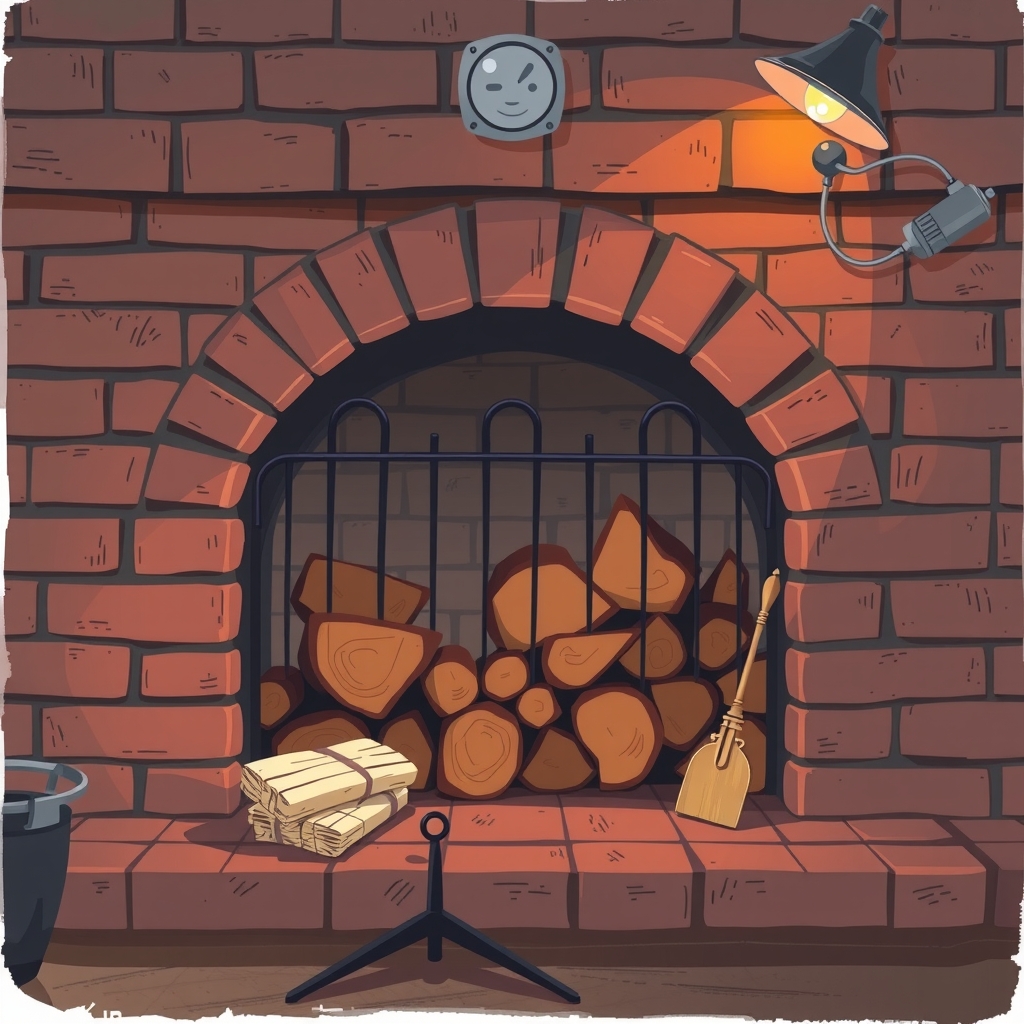
The first fire of the season feels like a small ritual, but a fireplace that sat idle all summer has had months to collect debris, shift, or crack without anyone noticing. The question most readers bring is simple: is it safe to light? The honest answer is that you can rule out some problems yourself in an afternoon, and you cannot rule out others at all.
This guide covers the part a homeowner can safely do from the ground and from inside the room: alarms, a look at the firebox and the outside of the chimney, the damper, the wood, and how to watch the first fire. It does not cover anything on the roof or inside the flue. Those belong to a certified sweep or inspector, and the stop point is marked below.
What's going on
A fireplace is a controlled fire connected to a long vertical passage. When that passage is cracked, blocked, or coated with creosote, the fire can reach parts of the house it was never meant to touch, and smoke can come back into the room. CPSC lists a cracked, blocked, or creosote-coated chimney, and sparks reaching flammable items, as the ways fireplaces start fires.
The EPA warns that a cracked chimney can send smoke into the living space, or leave parts of the chimney exposed to heat high enough to start a fire. It also cites National Fire Protection Association data that three of ten heating-related house fires come from poorly maintained fireplaces and dirty chimneys, in its Burn Wise safety tips.
There is a second hazard you cannot see. The CPSC carbon monoxide fact sheet describes CO as a deadly gas produced by incomplete burning of fuels, wood included, and the EPA lists leaking chimneys and backdrafting fireplaces among the sources. Because it cannot be seen, tasted, or smelled, the EPA says it can kill before anyone knows it is there.
For scale, CPSC counted roughly 20,600 fireplace and chimney fires a year, with about 40 deaths annually, across the years 1999 to 2002. That is an older figure, but it shows the problem is not rare.
What you can safely check or fix
Everything below is done with your feet on the ground and the fireplace cold. Nothing here involves climbing onto the roof or reaching into the flue.
- Test every smoke alarm and CO alarm. CPSC recommends CO alarms on each level and outside sleeping areas, with batteries replaced yearly and a test every month.
- Treat the alarms as backup only. CPSC and the EPA both say an alarm does not replace proper upkeep of the appliance.
- Look at the chimney from the yard. You are checking for visible damage, since the EPA warns that cracks let smoke in or expose parts to high heat. Do not climb up for a closer look.
- Check around the chimney and vents for tarps or debris left from any summer work. CPSC says to make sure renovation materials are not blocking vents and chimneys.
- Look at the firebox and the area around it. The EPA lists clearances to combustibles, floor protection, and proper assembly as things to check in an installation. Note anything that looks loose, scorched, or out of place, and photograph it for the pro.
- Open the damper and confirm it moves and stays open. CPSC advises opening it before lighting and keeping it open until the ashes are cool.
- Set up a screen or glass enclosure in front of the opening. CPSC recommends one to keep sparks from igniting nearby flammables.
- Check your wood. The EPA advises dry, seasoned wood, with moisture under 20 percent best, and storing split wood six months for softwood and at least one year for hardwood.
- Plan a small, hot fire with dry kindling. The EPA says never to burn garbage, plastics, or pressure-treated wood. CPSC adds: never use gasoline or charcoal lighter, and never burn charcoal in a fireplace.
- Step outside about 20 minutes into the first fire and look at the chimney top. The EPA says visible smoke points to wet wood, low air, or maintenance needs.
Sources: the CPSC CO alarm page, the CPSC fireplace release, and the EPA installation and maintenance page.
Where to stop and call a pro
Your outside look and firebox check can tell you something is wrong. They cannot tell you the flue is sound. CPSC says inspectors should check chimneys and flues for blockages, corrosion, and disconnections, and the EPA notes that installation errors by non-professionals may be invisible and may only show up as a house fire.
Stop here: Inspecting or cleaning the inside of the flue, and any repair of a cracked, corroded, or disconnected chimney or its installation, is a job for a certified chimney sweep or inspector.
Fire officials recommend a professional inspection of the appliance, chimney, and vent every year, and the EPA also advises having a trained professional inspect and clean chimneys annually. If you have never had one done, or you do not know when the last one was, do it before the first fire rather than after.
Call a professional sooner if you see a crack, a blockage, or heavy creosote coating, or if the first fire behaves oddly. If you smell smoke in the home, the EPA says to shut down the appliance, open a window, confirm the flue is open, check the venting, and call a professional.
If a CO alarm sounds, this is not a wait-and-see situation. CPSC says to move outside, call 911 or the fire department, and not go back in until you are cleared.
The Chimney Safety Institute of America can help homeowners find a certified sweep, according to the EPA. The EPA also notes that NFI certification requires passing an exam covering safety, venting, and installation.
What to tell the pro
A clear description saves time and helps the pro decide what to look for. Have these ready:
- Whether the appliance is an open fireplace or a wood stove, and what it burns.
- When it was last inspected or swept, if you know.
- What you saw outside: cracks, debris, or anything near the chimney top.
- What you saw in the firebox: scorching, loose parts, or clearance concerns. Photos help.
- Whether the damper opens and stays open.
- Any smoke smell, smoke in the room, or CO alarm activity, including when it happened.
- Any recent work on the house, since renovation materials can block vents.
Ask for a full inspection of the flue and chimney, not only a cleaning. CPSC recommends professional inspection of all fuel-burning heating systems, fireplaces, chimneys, flues, and vents.
Quick checklist before you light
- CO and smoke alarms tested, batteries fresh.
- Chimney checked from the ground, no debris or tarps nearby.
- Damper opens and stays open.
- Screen or glass enclosure in place.
- Wood is dry and seasoned, with no trash or treated wood.
- Professional inspection done within the year, or booked.
- Plan to check the chimney top about 20 minutes in.
If any line cannot be checked off, hold off on the fire. The EPA also points out that fireplaces are generally inefficient since most heat goes up the chimney, so waiting a few days costs little.
A note on sources
Some of the figures here are older. The CPSC fire counts cover the years 1999 to 2002, and an earlier CPSC release reported 15,500 fireplace and chimney fires and 40 deaths in a recent year. The EPA says its Burn Wise program ran 2009 to 2025 and that its content has not been updated since October 30, 2025. The safety advice itself has stayed consistent across these sources: inspect, keep the flue open, burn dry wood, and keep working CO alarms.
Quick answers
Is my fireplace safe to light this fall?
You cannot know without checking the flue, which only a professional can inspect properly. Fire officials recommend a professional inspection of the appliance, chimney, and vent every year.
What can I check myself?
Test your alarms, look at the chimney from the ground, confirm the damper opens, use a screen, and burn only dry seasoned wood. Leave the roof and the inside of the flue alone.
What should I do if a CO alarm goes off?
Move outside, call 911 or the fire department, and do not go back in until you are cleared.
Sources
- Wood-Burning Installation and Maintenance | US EPA
- Burn Wise: Facts & Figures + Health and Safety Tips | US EPA
- Frequent Questions about Wood-Burning Appliances | US EPA
- Carbon Monoxide Fact Sheet | CPSC.gov
- CO Alarms | CPSC.gov
- CPSC Warns Of Hazards from Furnaces, Space Heaters and Fireplaces | CPSC.gov
- CPSC Warns Of Hazards from Heaters and Fireplaces | CPSC.gov
- What about carbon monoxide detectors? | US EPA
- Carbon Monoxide's Impact on Indoor Air Quality | US EPA