
Drafty door after holiday decor? Check the seal before you hang the snowman
A wreath can hide a door that no longer seals. Here is a numbered check for drafts and worn weatherstripping, and where to stop.
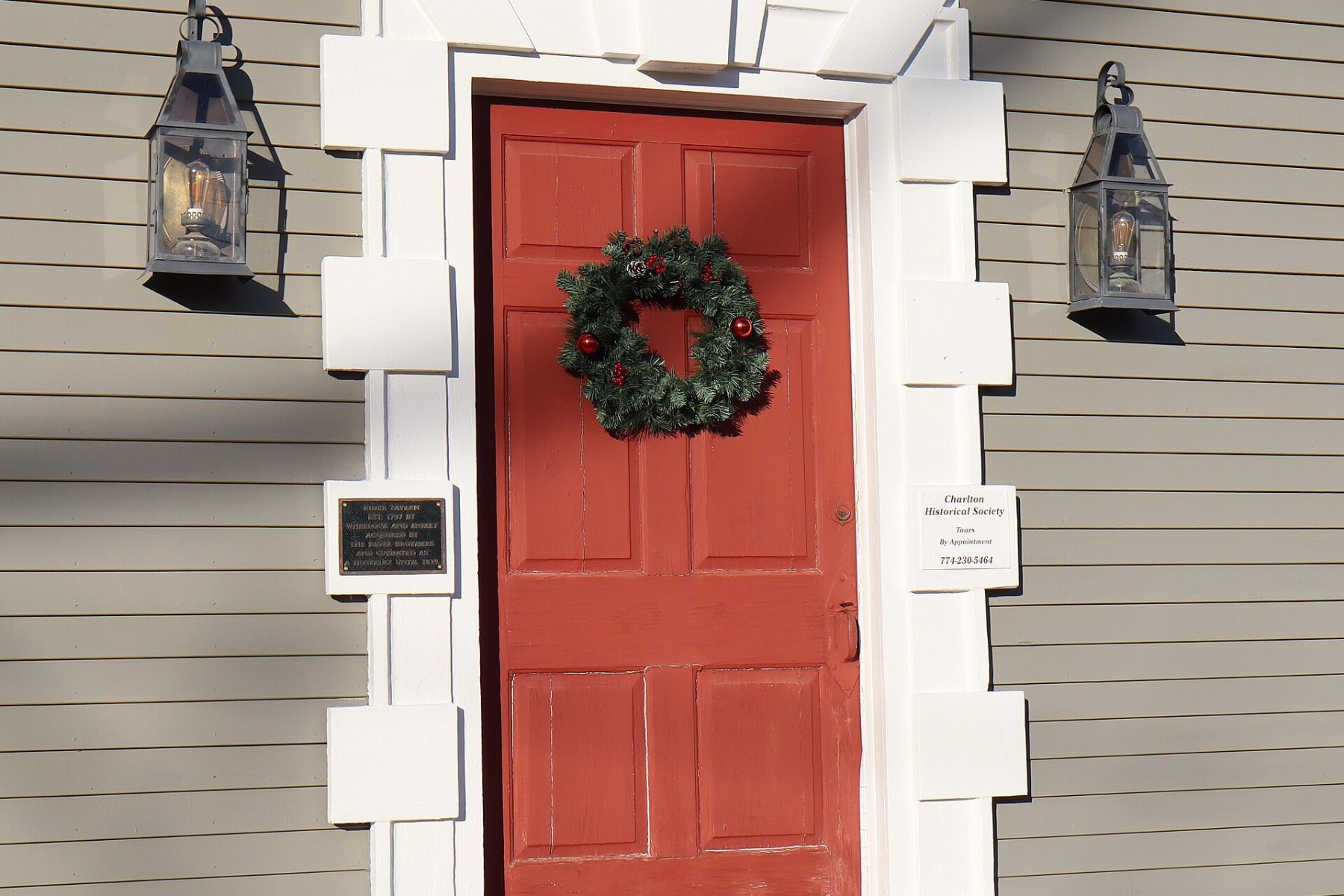
A drafty front door costs you twice: the cold gets in, and the heat you paid for gets out. Air leaking through narrow gaps can also bring in dust, pollen, insects and noise, and it can push utility bills up. If the door leads to an attached garage, a bad seal matters for another reason, because weatherstripping that door is especially important to keep garage fumes out.
The thing people miss is that the gap may have been there before the wreath. Decor season means you open and close the door more, and that is when a worn seal gets noticed. This guide gives you a way to test the door with the decor off, then fix a worn or missing seal yourself.
What's going on
The Building America Solution Center guide on weatherstripping says adding weatherstrip to doors that open to the outdoors decreases air leakage and heating and cooling losses. Its first step for finding leaks is to look for worn or missing weatherstripping on exterior doors.
That guide does not cover holiday decor, so treat this part as a way to test, not a finding. A hook or hanger on the door edge could get in the way of a seal, and more trips through the door make a leak easier to notice. Taking the decor off for a test tells you which you have. If the door seals fine without it, the decor was the cause. If it still leaks, the seal needs attention.
What you can safely check or fix
These steps come from the weatherstripping guide. They cover drafts and seals only.
- Take the wreath or snowman off the door.
- Remove any hooks or hangers from the door's edge.
- Close the door.
- Turn on the bathroom and kitchen exhaust fans, which pulls air in through leaks.
- Run your hand slowly around the frame and feel for moving air.
- Hold a tissue near the frame and watch whether it moves.
- After dark, turn the porch light on.
- Turn the inside lights off.
- Look around the door for light showing through, which marks a gap.
- Close a dollar bill in the door.
- Pull the bill out. If it slides out easily, air is probably leaking.
- Look over the weatherstripping for wear, gaps or missing sections.
- If it is worn, pull off the old weatherstripping.
- Clean the surfaces with dish soap and water.
- Let the surfaces dry completely.
- Look for a kerf groove in the door frame. Newer doors have one for formed vinyl gasket trim, and older doors have none.
- Pick a type that suits your door: foam tape is self-adhesive, and metal or vinyl strip is screwed in.
- Fit the new strip along the jamb.
- Press it tightly into the door jambs so it is secure and airtight.
- Open and close the door to see whether it fits snugly and still closes completely.
- If it will not close completely, take the new strip off and read the next section before trying another type.
- Optional: run caulk along the seams in and around the frame and trim to cut leakage further.
You need a tape measure, weatherstripping and a utility knife. Caulk and a caulk gun are optional. If the gap is at the bottom, the guide points to a separate door sweep guide. Door sweeps are relatively easy to install and many are adjustable.
Where to stop and call a pro
This guide stops at seals. Hinges, strike plates and storm-door closers are outside what it covers, so use the manufacturer's instructions for your own hardware.
If the door will not close after you add weatherstripping, the seal may be too thick. Tension-seal types can increase resistance when you open and close the door. Felt is inexpensive and easy to install but low in durability and least effective at stopping airflow, and the guide says to avoid it where moisture or friction is present.
Colder spots near the frame can point to something bigger. The guide says significantly colder spots near a door or window frame may mean more than weatherstripping is needed, such as uninsulated rough openings.
Stop here: If the frame is out of square, the door sags, or cold spots suggest missing insulation in the wall opening around the door, that is a repair for a licensed pro, not a decor fix.
If the door between the house and an attached garage will not seal, get it looked at promptly, since that seal is there to keep garage fumes out.
What to tell the pro
Describe what you saw so the visit starts with answers, not guesses.
- Whether the problem showed up only after the decor went on, and whether it remains with the decor removed.
- Where it shows: light at the edge at night, tissue moving, a dollar bill that pulls out easily, or a spot where the door drags.
- What weatherstripping is on the door now, and whether you replaced it and with which type (foam, vinyl, metal, felt).
- Whether the door still closes completely after the new seal.
- Any colder spots near the frame.
- Whether it is the storm door or the main door that has the problem.
To find a licensed pro for windows and doors in your state, use Find a Pro on this site, which links each listing to the state's own license lookup.
Quick answers
How can I tell if my door is drafty?
Close the door, run the exhaust fans, and feel around the frame or hold tissue near it. At night, light showing around the door with inside lights off marks a gap, and a dollar bill that pulls out easily suggests an air leak.
Can I replace weatherstripping myself?
You can if the seal is worn or missing: remove the old strip, clean with dish soap and water, let it dry, and press the new strip tightly into the jambs. Stop if the door still will not close completely, or if the frame is out of square or the door sags, and call a pro.
Why does my door rub after I added weatherstripping?
Tension-seal weatherstripping can increase resistance when you open and close a door, so the new seal may be too thick. If the door will not close completely, take the strip off and do not use felt where friction is present.