
Where to put the Christmas tree by measuring 3 feet from vents and heaters
Measure 3 feet around every vent, radiator, baseboard heater and fireplace, room by room, and learn which heating problems are for a licensed HVAC pro.
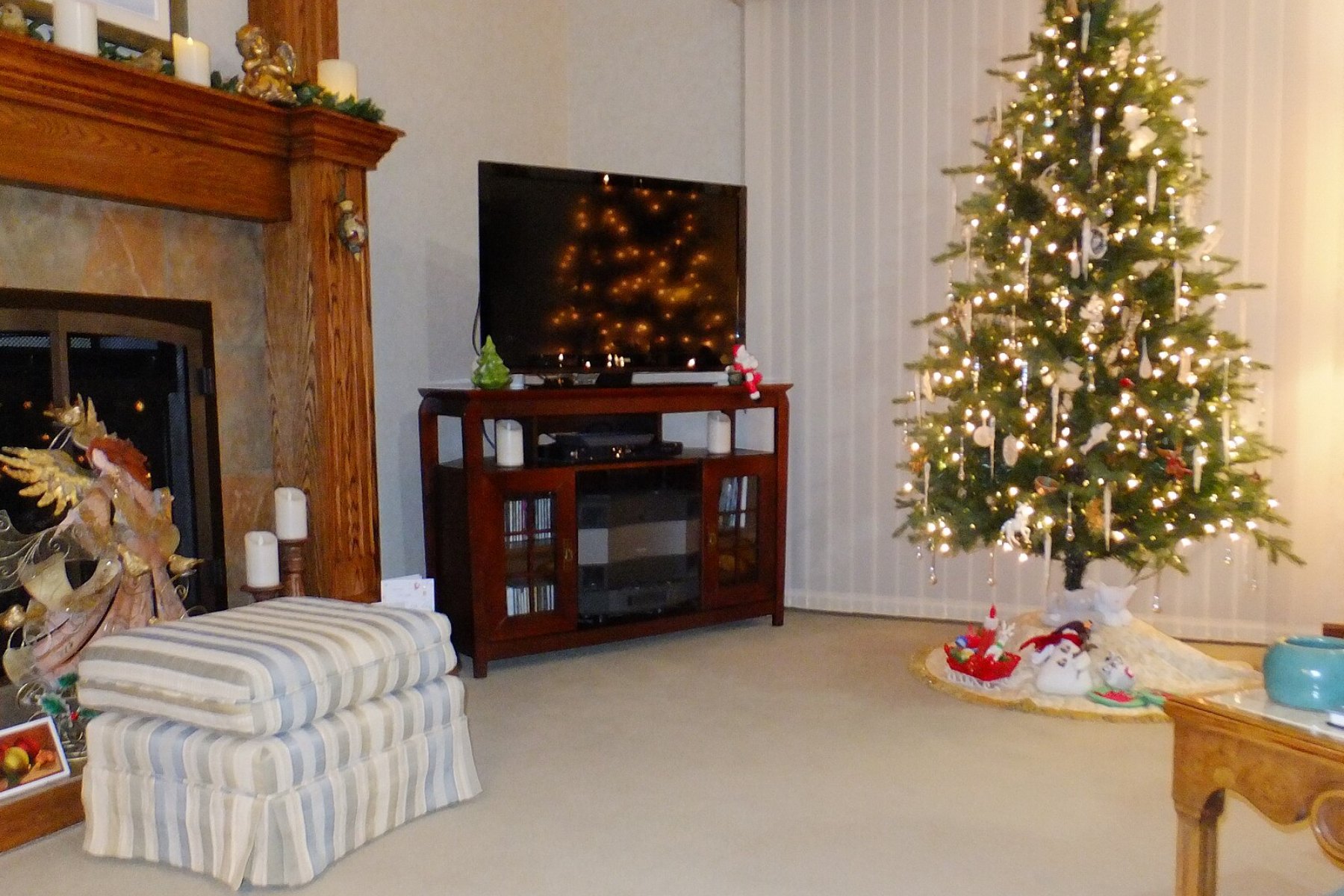
You have picked a spot for the tree: the corner by the window, the hallway, maybe the coffee table for a small one. Before you set the stand down, check what is heating that spot. Your heating system sends warm air or radiant heat to fixed places, and a tree is a lot of dry fuel.
This walkthrough takes you through the house one room at a time with a tape measure. It covers only the distance between the tree and each heat source. The safest fix is almost always to move the tree, not the heat.
What's going on
Every vent, register, radiator and baseboard heater in your home is an outlet of your heating system, and its position was set when the house was built or the system installed. The tree is the part you can move. The U.S. Fire Administration (USFA) advises keeping a tree at least 3 feet from heat sources, and it lists fireplaces, radiators, space heaters, candles and heat vents. The Consumer Product Safety Commission (CPSC) gives the same direction, placing the tree away from fireplaces, vents and radiators, in its release of December 6, 2017.
The reason is dryness. CPSC said heated rooms rapidly dry out live trees, so a tree sitting in a stream of warm air from a register loses moisture faster even when no flame is involved.
The risk is real. CPSC's annual average estimates for 2012 to 2014 were 100 Christmas tree fires, 10 deaths, 20 emergency-room-treated injuries and $15.7 million in property loss. USFA's pictograph series shows the same 3-foot gap separately for a fireplace, a space heater, a candle and a heat vent.
What you can safely check or fix
Everything below needs only a tape measure and painter's tape. Do it before the tree comes home.
- Switch off any portable space heater in the room.
- Stand where you want the tree.
- Measure 3 feet out from each heat vent or register.
- Measure 3 feet out from each radiator.
- Measure 3 feet out from each baseboard heater.
- Measure 3 feet out from the fireplace opening.
- Measure 3 feet out from the space heater.
- Mark the edge of each 3-foot zone with painter's tape.
- Check whether your chosen spot sits outside every taped zone.
- If it does not, move to the next spot and measure again.
A few notes by room. A hallway often has a floor register at one end, so measure from it. A coffee table sitting over a floor vent is the same problem at a smaller size. A corner by the fireplace may be the only free corner, but it fails the test if it is inside 3 feet.
The sources cited here do not describe redirecting airflow with vent covers or deflectors, so this guide gives no steps for it. Move the tree out of range instead.
Where to stop and call a pro
Some rooms will not give you a clear 3 feet. A small living room with a vent in the middle of the floor, or a radiator under the only window, can leave no good spot. That is a layout problem, and moving furniture and the tree is yours to do.
A heating problem is different. If a vent, radiator or baseboard heater feels hotter than it should, or something seems off with a gas fireplace, the tree is not the issue. The federal sources here cover tree distance only, not diagnosing or repairing heating equipment, so do not improvise.
Stop here: A vent, radiator, baseboard heater or furnace that runs too hot, any work on a gas fireplace or gas line, relocating a vent or register, and altering ductwork need a licensed HVAC pro.
Until it is looked at, keep the tree out of that room.
What to tell the pro
Keep it to the heating problem, not the tree. Say which room it is, what kind of heat source it is (vent, radiator, baseboard heater, furnace or gas fireplace), and what you noticed and when. If a tree was going to stand near it, add that, since federal guidance treats anything inside 3 feet of a heat source as too close.
Quick answers
How far should a Christmas tree be from a heat vent?
USFA advises at least 3 feet from heat sources, and it names heat vents, radiators, space heaters, fireplaces and candles. CPSC likewise says to keep the tree away from fireplaces, vents and radiators.
Why does heat matter for a live tree?
CPSC said heated rooms rapidly dry out live trees, so water levels should be checked daily and the stand kept filled.
What if a vent or heater runs wrong?
The federal sources cited here cover only where to put the tree, not repairing heating equipment. Keep the tree away and leave a vent, heater or gas fireplace problem to a licensed HVAC pro.